Over the next few weeks we will be beginning our last topic of term, ‘Detectives for Goodness’. The children are reading one of my favourite books, Patricia St John’s ‘Treasures of the Snow’ which tells the story of two proud children who discover treasure in a bleak and broken situation.
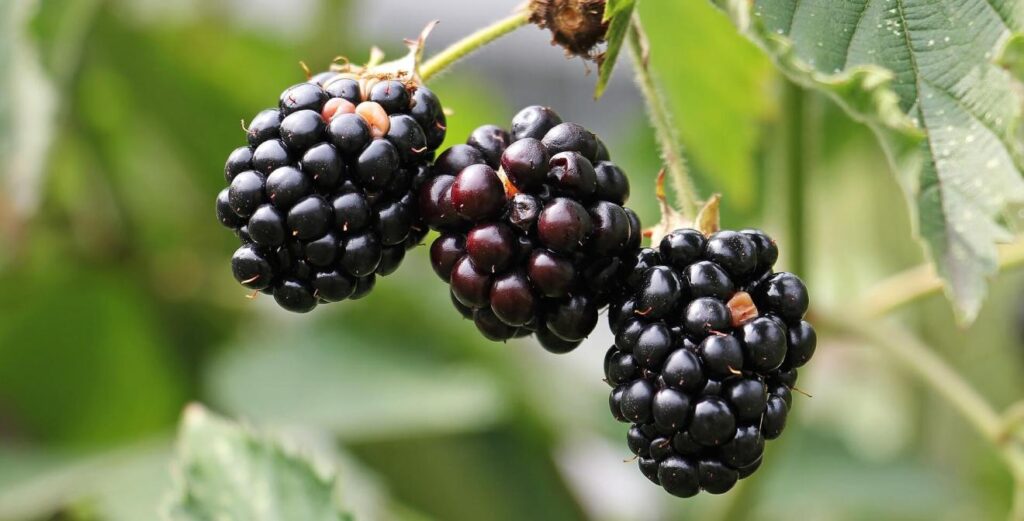
At the end of half term, we met as staff and reflected on blackberries, a delicious fruit, which can be an effort to find and painful to pick. They are a visible reminder that life can be strewn with thorns but we have a choice in how we respond to them: with pride that is determined to soldier on through as if they aren’t there; with apathy, as if life is hopeless in the face of them; or with humility, recognising that our broken world reminds us that we are not God, but that there is a God who is generous and faithful in the midst of brokenness.
Dietrich Bonhoeffer wrote:
Only the humble believe …. that God is so free and so marvelous that he does wonders where people despair, that he takes what is little and lowly and makes it marvellous’
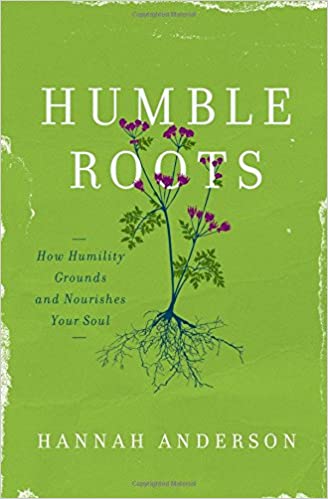
We have enjoyed some chapters from this book by Hannah Anderson. After the summer holiday we read the chapter ‘Vine Ripened Tomatoes’ which remind me of a life principle that, though fast growth can look impressive and may seem to be less risky, organic growth yields a sweeter, better taste in the end.
‘The longer a tomato stays on the vine, the more potential there is for it to contract a disease, become a tasty snack for birds or bugs, or get jostled and break loose. By picking it green, we could think that we are mitigating these risks; but by picking it green, we also ensure that it won’t ripen. And so we must become comfortable with the ripening process. We must learn to wait. We must learn to trust. We must remember that we are under gardeners. We must remember that the Master Gardener faithfully tends his seedlings and young fruit’
Humble Roots, page 131
So in an unpredictable world, we can stay calm, knowing that God knows the end from the beginning and is working in the present for good. And that in the present thorns and thistles, blackberries can be found. Over the last four weeks as we’ve been detectives for beauty, I’ve been struck by many examples of beauty in our school: in the physical surroundings with gentle leaf fall, beautiful bark, crunching leaves; and in our relationships together with beautiful spontaneous prayers, acts of selfless love, a community of concern and care. This vision of life is given to us when we allow God to be God: the giver, sustainer and redeemer in all our circumstances. In this place of humility, true beauty is revealed and hope can be found.
‘The humble person doesn’t deny the pain of the world, or her complicity in it, but she does hope. She continues to forage for the sweetness that God has promised. She gleans where she has not planted. Along the fence rows and roadsides. Not in carefully cultivated thickets but in the wildness of the waysides. Our hands may be scratched and bleeding, we may stink of sweat, our feet sinking in the mud, but there, just within our grasp, is a cluster of hope – a reminder of who God is and how He never fails his children’.
Humble Roots, page 188